Despite Website blockages, Russians and Ukrainians turn to RFE/RL for war coverage
March 4, 2022
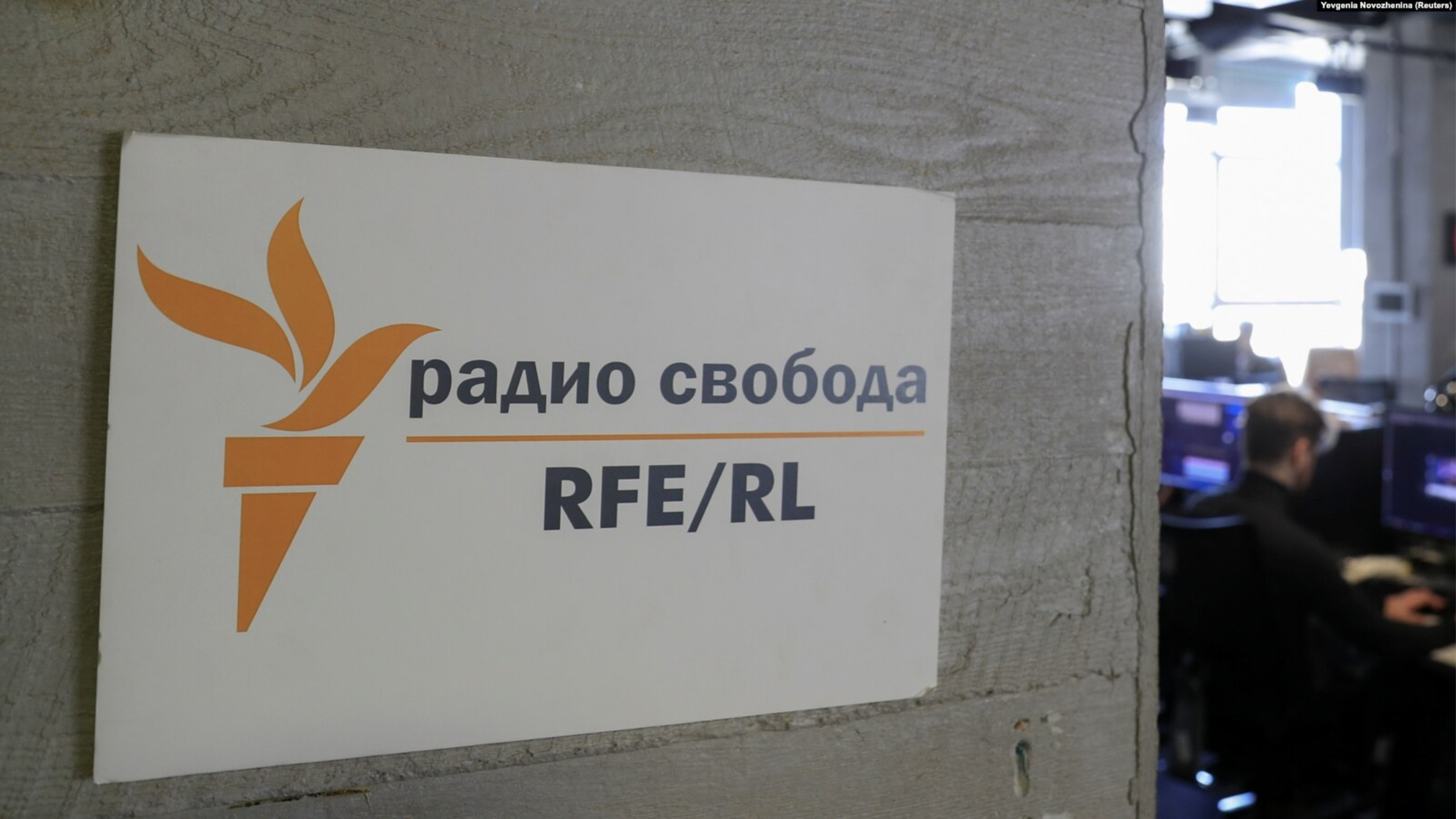
Washington, D.C. — Radio Free Europe/Radio Liberty (RFE/RL) condemns the blocking of access within Russia to websites run by its Russian, Tatar-Bashkir, and North Caucasus services, including the Russian-language North.Realities, Siberia.Realities, Idel.Realities, and Caucasus.Realities sites. Access to the sites was blocked after RFE/RL refused to comply with demands to delete information about Russia’s invasion of Ukraine from Russian state media-monitoring agency Roskomnadzor.
RFE/RL President Jamie Fly said: “Putin is feeding Russians a steady diet of lies about the scope and costs of the war in Ukraine. RFE/RL refuses to censor our content at this critical moment for our Russian audiences. They deserve the truth and we will continue to provide them with factual information about their government’s actions and the consequences that they must now endure.”
A number of other Russian-language websites producing news content from outside of Russia were also blocked today, including the Latvia-based meduza.io, BBC, Deutsche Welle and Voice of America (VOA). Access was blocked on February 28 to the websites of RFE/RL’s Crimea.Realities and the Current Time digital and TV network led by RFE/RL in cooperation with VOA.
Since Russia began its invasion, Russian and Ukrainian audiences have been flocking to RFE/RL and its several Russian-language content platforms. On the first day of the invasion (February 24), 527% more Ukrainians and 275% more Russians viewed RFE/RL videos via You Tube. Across all digital platforms, Current Time has earned more than 240 million video views since the invasion, reflecting a nearly tenfold increase over the network’s average pre-war number of weekly video views. Page views by audiences in Russia to RFE/RL websites have nearly doubled in the week since the invasion to just over 2 million, while views to RFE/RL videos on YouTube grew by nearly five times to almost 15 million.
During the period February 23-March 1, audiences viewed RFE/RL videos 436.4 million times on Facebook, 305.4 million times on YouTube, and 83.2 million times on Instagram – reflecting increases of 265 percent, 406 percent, and 185 percent, respectively, over the previous week.
This surge in audience numbers is indicative of a region-wide demand for reliable and factual information, which RFE/RL provides through its network of reporters offering perspectives from Ukrainians and Russians affected by the war.
RFE/RL is also working with the U.S. Agency for Global Media (USAGM) to further expand its reach by providing its content to media outlets around the world. RFE/RL and Current Time continue to field numerous requests for their content and program distribution from news outlets in Bulgaria, Canada, Estonia, Latvia, Lithuania, Moldova, and Romania, among others.
Audiences around the world are following RFE/RL’s reporting on the physical and human toll of the war. As the Kremlin and state media have refrained from disclosing details of the casualties Russia has incurred in its invasion of Ukraine, RFE/RL spoke to mothers of Russian soldiers who were shocked to learn their sons were fighting in Ukraine, after being told they were on training exercises.
Since before the war began, RFE/RL has been preparing for the eventuality that the Kremlin would act on its threats. RFE/RL’s Russian, North Caucasus, and Tatar-Bashkir services and Idel.Realities, Caucasus.Realities, Crimea.Realities, North.Realities, Siberia.Realities, and Current Time websites have been educating their audiences about how to continue to access their reporting in the event that their websites are blocked. Mirror sites – complete copies of each website located at a different online address – have been set up for all of the blocked websites, and their content can also be accessed using virtual public network (VPN) clients such as nThlink. Each of the affected websites also has a robust presence on popular social media platforms such as Telegram, YouTube, Twitter, Facebook, Instagram, TikTok and VKontakte, and offer mobile applications via Google Play and Apple’s App Store, which include a built-in VPN.
Radio Free Europe / Radio Liberty is a private, independent international news organization whose programs — radio, Internet, television, and mobile — reach influential audiences in 23 countries, including Russia, Ukraine, Iran, Afghanistan, Pakistan, the republics of Central Asia and the Caucasus. It is funded by the U.S. Congress through USAGM.


